Khartoum Streets (part two)

Pictures of the Kushite ruins of northern Sudan always remind me of Shelley’s poem Ozymandias:

“My name is Ozymandias, king of kings:

Look on my works, ye Mighty, and despair!”

Nothing beside remains.

Round the decay Of that colossal wreck, boundless and bare

The lone and level sands stretch far away.

In this poem the art of the sculptor has survived long after the dynasty and empire of Ozymandias has crumbled. History is indeed littered with fallen empires. Looking through old maps of Khartoum reminds me of the decline and fall of the British Empire and the Egyptian Khedive. Continue reading

recipe for bulti (tilapia)

Cooking bulti is really easy especially if you have already had the fish gutted etc. at the fish market at Murada in Omdurman.

After washing the fish thoroughly, add the following ingredients: 1 clove of crushed garlic (all per kilo of fish), 1/2 teaspoon of kammuun (cumin), a pinch of kasbara (coriander), juice from one 1 large leemuun (lime), a pinch of filfil (black pepper) and a sprinkling of salt.

Marinate it for about half an hour

Coat the fish in flour and cook in hot oil until the fish has turned brown.

Serve hot with tahinah (tahini), tomato salad, limes and ‘eesh baladi (round bread).

Victoria Avenue, Khartoum

mTSD8LKNf91VCQlUEL47MqQ

This picture postcard shows Gordon’s statue in front of the Governor’s Palace at the end of Victoria Avenue. Much of course has changed. Gordon’s statue has been replaced by the monument to national unity that Nimeiri erected in the wake of the Addis Ababa Agreement of 1972.

The public gardens on either side of the road are still there but have been fenced off and can sometimes look rather overgrown and forlorn. The palm trees have long gone. Continue reading

Streets of Khartoum

Taking a stroll around central Khartoum is best done early on Friday mornings when the streets are largely deserted of traffic. This is the best time to appreciate a city that is beautiful despite some awful architecture.

Khartoum was the creation of the Anglo-Egyptian Administration who found it in ruins when they arrived with their conquering army in 1898. It has been said by some that Kitchener chose the original road layout so that it resembled the Union Jack of the British flag. Another possible reason is that the design allowed maxim guns to be placed at junctions that covered several streets simultaneously. This would suggest that new rulers didn’t feel entirely at ease, but it seems doubtful that Kitchener had such concerns following the final routing of Mahdist forces in Kordofan in 1899. It is more likely that the pattern simply aided quick movement around the new city, and its effectiveness is one reason why this gridiron pattern has partly survived until now.   Continue reading

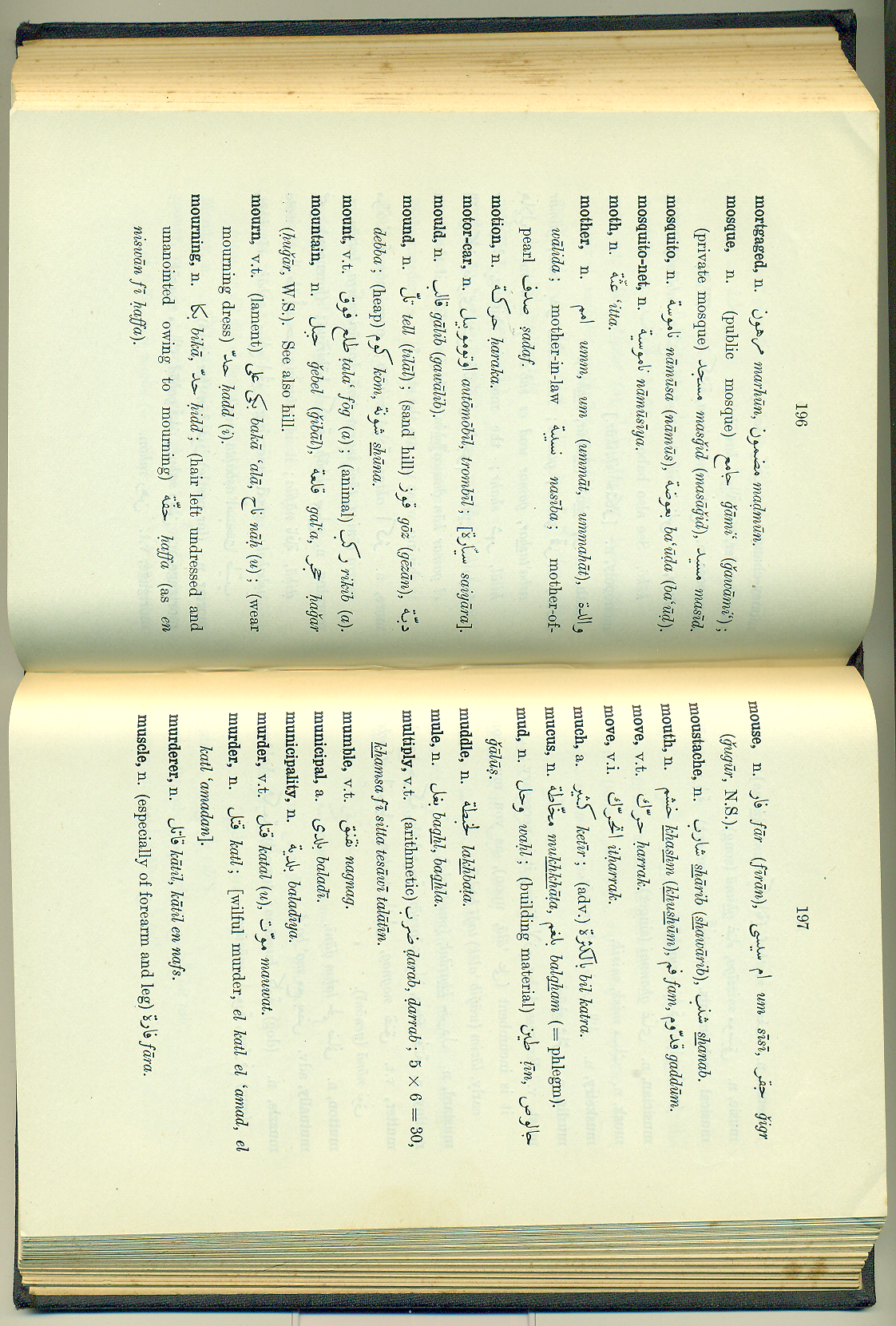
Hillelson’s Sudan Arabic

Hillelson's  Sudan Arabic

Sigmar Hillelson was an official in the Anglo-Egyptian Sudan from 1911-1933.
In 1930 his Sudan Arabic, English-Arabic Vocabulary was published by the Sudan Government. The book remains an good source for foreigners learning Sudan Arabic but today is quite hard to come by. I like the way the book includes vocabulary used in the provinces of Sudan as well as words that were then becoming a standard Sudanese Arabic- how Arabic was being spoken in Omdurman. Continue reading

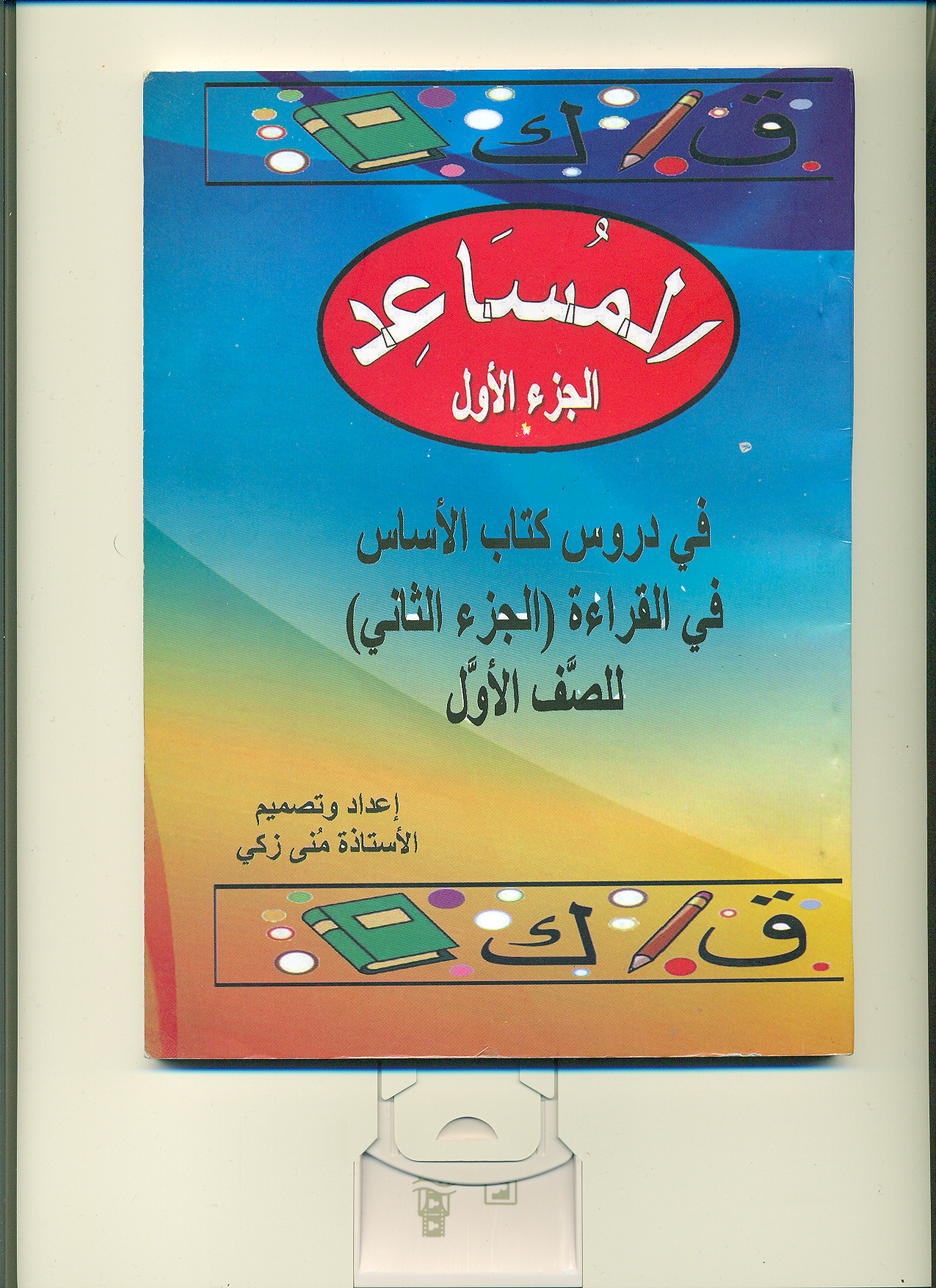
The Assistant (Book Cover)

assistant-cover (2)You can’t judge a book by its cover, or can you?

I designed this cover for my workbook. I wanted a bright cheerful cover that would appeal to young children who often seem to be visual learners.  More information about the book is available on the Arabic page.